News
How a Location Changer Saved My Online Privacy (And Can Save Yours Too)
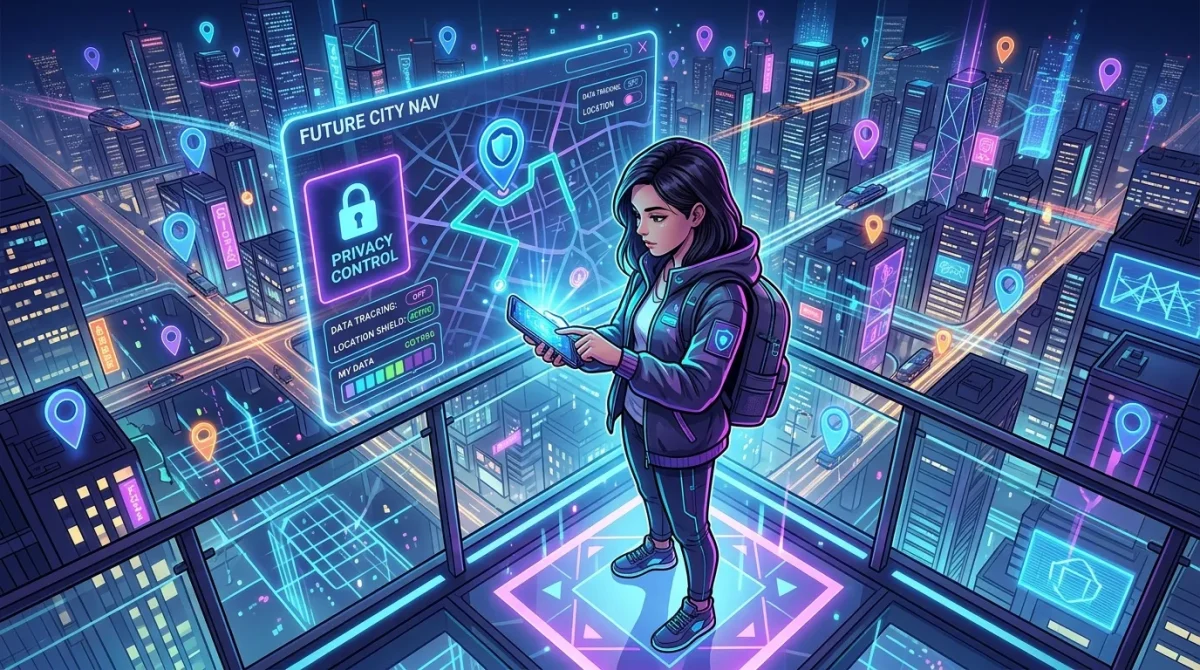
It started on a normal Monday morning. I opened my favorite social app, only to notice ads for products I had just talked about aloud at home. At first, I laughed it off, thinking it was coincidence.
But then it hit me—how much of my personal life was being tracked without my knowledge? Every app, website, and game seemed to know my exact location, my interests, even my habits.
Feeling exposed, I knew I had to take action. I wanted control over my digital footprint, something that would prevent constant tracking without affecting my daily use of apps. That’s when I discovered the location changer.
Unlike VPNs, which only hide your IP address, a location changer modifies the GPS coordinates on your device. Suddenly, I could appear anywhere in the world, keeping my actual location private.
What started as curiosity quickly turned into a digital revolution for me. My online privacy was restored, and my sense of control over my own digital life returned.
By the end of this blog, you’ll understand how a location changer works, why it’s essential for privacy, and how it can improve your online experiences in ways you never imagined.
How I Discovered the Location Changer

Before discovering a location changer, I had tried multiple ways to maintain privacy. I adjusted app permissions, disabled location services, and even experimented with VPNs. Yet, targeted ads and app notifications still seemed to follow me everywhere.
One evening, I stumbled upon a tech forum where users were discussing “GPS spoofing” and tools called location changers. Intrigued, I researched further and realized that this technology could simulate a GPS location on my device.
Unlike VPNs, which only reroute internet traffic, a location changer directly manipulates what apps see as your location.
Curious, I installed a reputable tool on my phone. Within minutes, my device’s location appeared in a completely different city. I tested it on social media apps, map services, and games.
To my amazement, everything reflected the new virtual location, and my real location remained hidden. The feeling of control and security was immediate.
That’s when I understood that a location changer wasn’t just a convenience—it was a necessity for anyone serious about digital privacy.
Real-Life Examples of How a Location Changer Protects You
1. Social Media Privacy
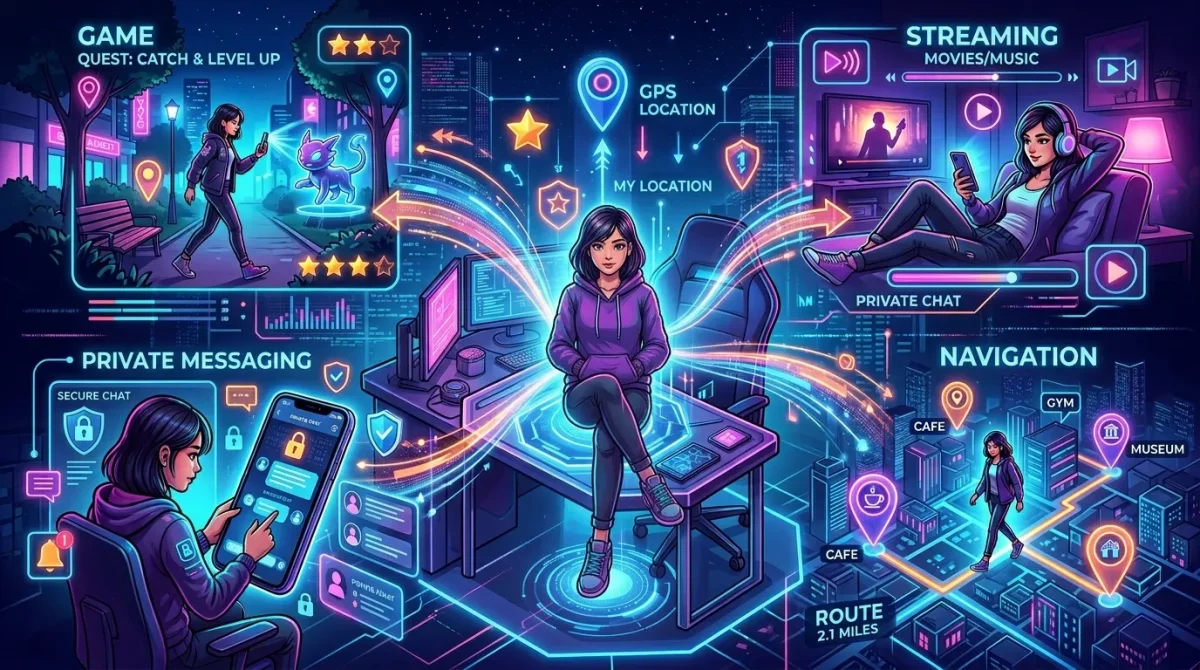
Social media apps thrive on tracking user behavior and location. They analyze check-ins, posts, and location data to serve personalized ads and content. For someone like me, who values privacy, this was unnerving.
With a location changer, I could simulate being in another city or even another country. My check-ins no longer revealed my real location, and targeted ads became far less intrusive. I could explore global social media trends without exposing my real movements.
The best part? It’s effortless. Once the location changer is set up, it works seamlessly in the background, giving me peace of mind without affecting my app usage.
2. Gaming Without Boundaries
I’m an avid fan of location-based games that require real-world movement to unlock levels, events, or rewards. Initially, my progress was limited because I couldn’t physically travel to certain areas.
A location changer completely transformed my gaming experience. By simulating movement between different locations, I could participate in global events and unlock exclusive rewards. No longer constrained by geography, I felt like I had unlocked a new level of gameplay freedom.
Moreover, route simulation features allowed me to mimic walking, running, or driving paths, making the experience realistic. This level of control is especially valuable for gamers who want to enjoy the full scope of location-based features without leaving home.
3. Streaming and Content Access
Before using a location changer, I often encountered frustrating content restrictions. Streaming services, video platforms, and even some apps limited content based on the user’s region.
Once I activated a location changer, I could virtually appear in any country. Suddenly, shows and videos that were previously unavailable were accessible. Not only did this enhance entertainment options, but it also gave me the ability to test region-specific content—something valuable for both personal enjoyment and professional purposes like market research.
This demonstrates that a location changer isn’t just for privacy—it’s also a powerful tool for unlocking digital opportunities worldwide.
The Science Behind a Location Changer
At first, I assumed it was some kind of “hack.” But after researching the technology, I realized it’s actually based on legitimate GPS simulation principles.
Your smartphone determines location using multiple data sources:
- GPS satellite signals
- Wi Fi network positioning
- Cellular tower triangulation
- IP-based geolocation
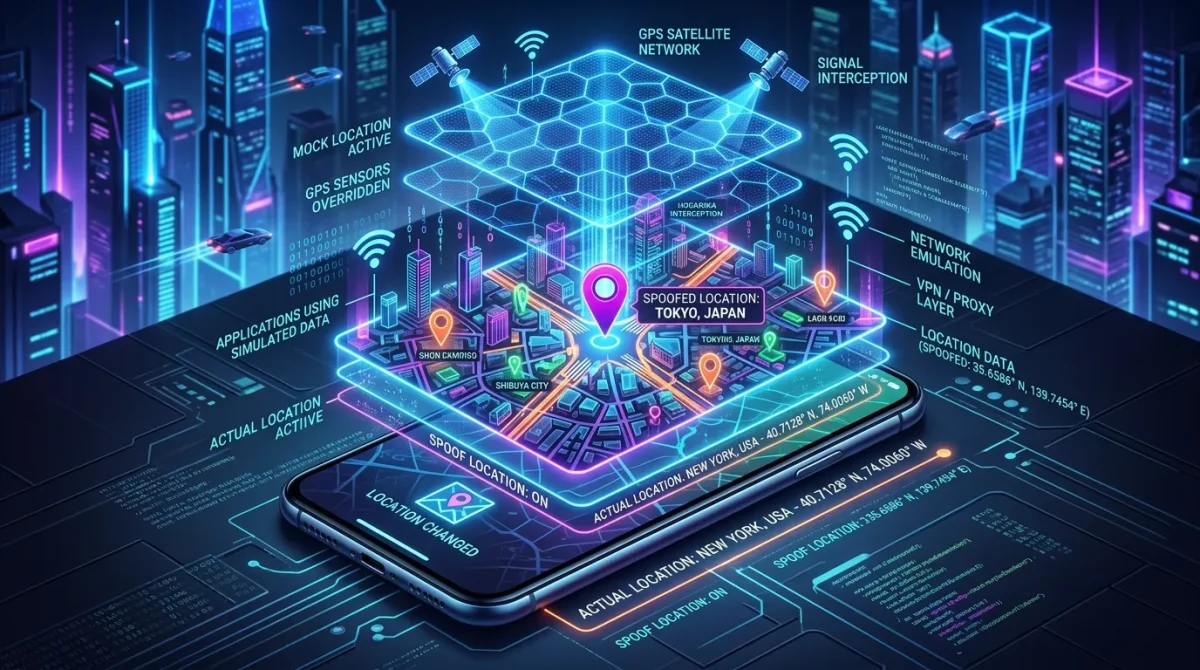
A professional location changer works by intercepting and overriding the GPS layer at the software level. Instead of allowing your device to broadcast real satellite coordinates, it feeds apps a new set of virtual latitude and longitude values.
In simple terms:
Your device still thinks it’s receiving GPS data — but the coordinates are chosen by you.
How GPS Simulation Works
When you activate a location changer, the tool:
- Connects to your device (via app or desktop software).
- Disables real-time GPS updates.
- Injects custom GPS coordinates.
- Maintains consistent movement patterns if route simulation is enabled.
This last part is important.
Basic spoofing tools can be detected because they “jump” instantly between countries. Advanced softwares avoids detection by simulating natural movement — walking speed, driving routes, pauses, and directional changes.
This is why high-quality tools are critical.
Detection Avoidance Technology
Modern apps and games use anti-spoofing detection systems. They check:
- Sudden long-distance jumps
- Unrealistic speed movement
- Mismatch between IP and GPS
- Inconsistent altitude data
A sophisticated location changer compensates for these by:
- Simulating gradual movement
- Matching altitude data
- Supporting joystick control
- Allowing customizable speed
This makes the virtual location appear authentic.
Why It’s Different from a VPN
Many people think a VPN and a location changer are the same. They are not.
A VPN:
- Changes your IP address
- Encrypts internet traffic
- Protects browsing activity
A location changer:
- Alters GPS coordinates
- Affects location-based apps and games
- Controls what your device reports as its physical position
For maximum privacy, many users combine both tools. The VPN protects network-level data, while the location changer protects GPS-level exposure.
Together, they create layered digital privacy.
System-Level vs App-Level Simulation
There are two types of location changer tools:
- App-Level Tools – These only affect specific apps.
- System-Level Tools – These modify GPS across the entire device.
System-level tools are more powerful because every application sees the same virtual location. This prevents inconsistencies that could trigger detection systems.
When I switched to a high-quality location changer, I noticed stability improvements immediately. No crashes. No sudden reversion to my real location. Everything stayed consistent.
Understanding the science behind it gave me confidence. I wasn’t “cheating the system” — I was taking control of my own data stream.
How It Changed My Digital Life

I didn’t expect such a small software tool to make such a big psychological difference.
Before using a location changer, I constantly felt exposed. Every check-in, every tagged photo, every app permission — it all revealed pieces of my real-world movement.
That feeling disappeared.
1. My Online Anxiety Reduced
You don’t realize how much passive stress tracking creates until it stops.
After activating a location changer, I no longer worried about:
- Apps collecting real-time movement
- Social platforms inferring my habits
- Advertisers building location-based profiles
- Strangers identifying my physical presence
- My phone stopped feeling like a surveillance device.
It felt like a tool again.
2. I Regained Control Over Targeted Ads
Before using a location changer, I would visit one store and then see ads from nearby shops for days.
After changing my virtual location, those hyper-local ads vanished.
Instead of being locked into one geographic advertising bubble, I could explore content from multiple regions. That flexibility gave me insight into how marketing differs across countries — something incredibly useful for anyone in digital business.
The location changer didn’t just protect my privacy — it expanded my perspective.
3. Gaming Became Fun Again
Location-based games had become restrictive.
Rare items were only available in specific cities. Events were region-locked. Traveling physically wasn’t realistic.
With a reliable location changer, I could:
- Attend virtual global events
- Access exclusive in-game zones
- Participate in international competitions
- Simulate natural walking routes
- Gaming felt limitless again.
Instead of being constrained by geography, I could explore the full map the developers created.
4. My Streaming Options Expanded
Streaming platforms often restrict libraries based on country. I was missing entire categories of shows and documentaries.
When I used a location changer, my access expanded instantly.
More importantly, I could compare how platforms present content in different regions. For someone interested in digital trends and global content strategies, this was incredibly insightful.
The location changer transformed entertainment into exploration.
5. Professional Benefits I Didn’t Expect
As someone involved in digital environments, I discovered unexpected advantages:
- Testing geo-targeted campaigns
- Viewing localized search results
- Understanding regional UI differences
- Analyzing competitor positioning globally
- A location changer became a research tool.
Instead of guessing how users in other countries see digital products, I could experience it firsthand.
6. The Psychological Shift: Digital Freedom
The biggest change wasn’t technical — it was psychological.
Using a location changer gave me a sense of autonomy.
I was no longer passively sharing my location data with dozens of apps. I was choosing what to reveal.
That shift from reactive to proactive digital behavior is powerful.
Privacy is not about hiding — it’s about control.
And control is exactly what a location changer provides.
7. It Became Part of My Routine
Today, activating my location changer is as normal as turning on Wi-Fi.
It’s part of my digital hygiene:
- Before gaming
- Before accessing location-based apps
- When researching global content
- When I want extra privacy
It’s no longer a special tool — it’s standard protection.
Choosing the Right Location Changer
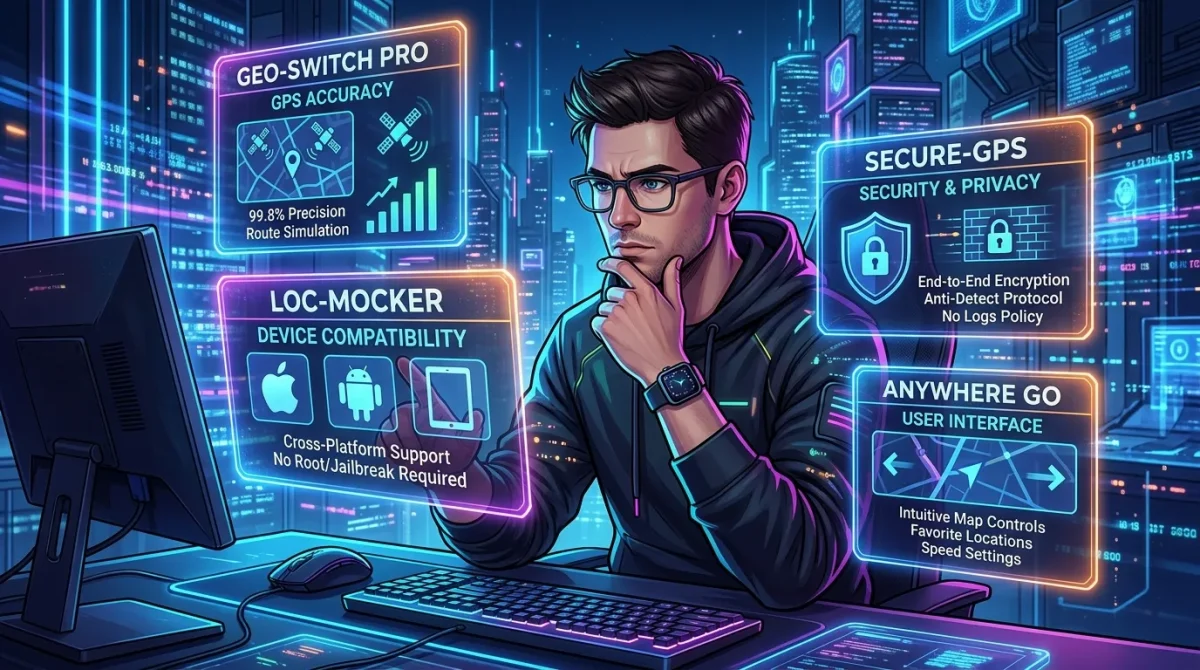
Not all location changers are built the same, and choosing the wrong one can cause frustration or even privacy risks. The right tool should match your personal needs, whether you’re focused on gaming, streaming, or digital privacy.
When selecting a location changer, consider these points carefully:
- Accuracy: Precision is critical. If the simulated GPS coordinates are off, apps may detect the fake location, or location-based games may not function properly. Advanced location changers offer fine-tuned GPS calibration.
- Compatibility: Check if the tool works with your devices. Many location changers support iOS and Android, but some also extend to Windows and Mac for desktop applications.
- Ease of Use: A clean, intuitive interface saves time. You don’t want to spend hours learning how to spoof your location. Top location changers allow one-click switching between locations.
- Advanced Features: Look for tools that include route simulation, multi-location support, and virtual joystick navigation for realistic movement. These features make a location changer more than a simple GPS spoofing tool.
- Security and Trustworthiness: Only choose verified software. Some free tools may contain malware or collect your data. A reliable location changer keeps your information private while delivering accurate location simulation.
By prioritizing these factors, you can choose a location changer that aligns perfectly with your digital lifestyle and provides peace of mind.
Legal and Ethical Considerations
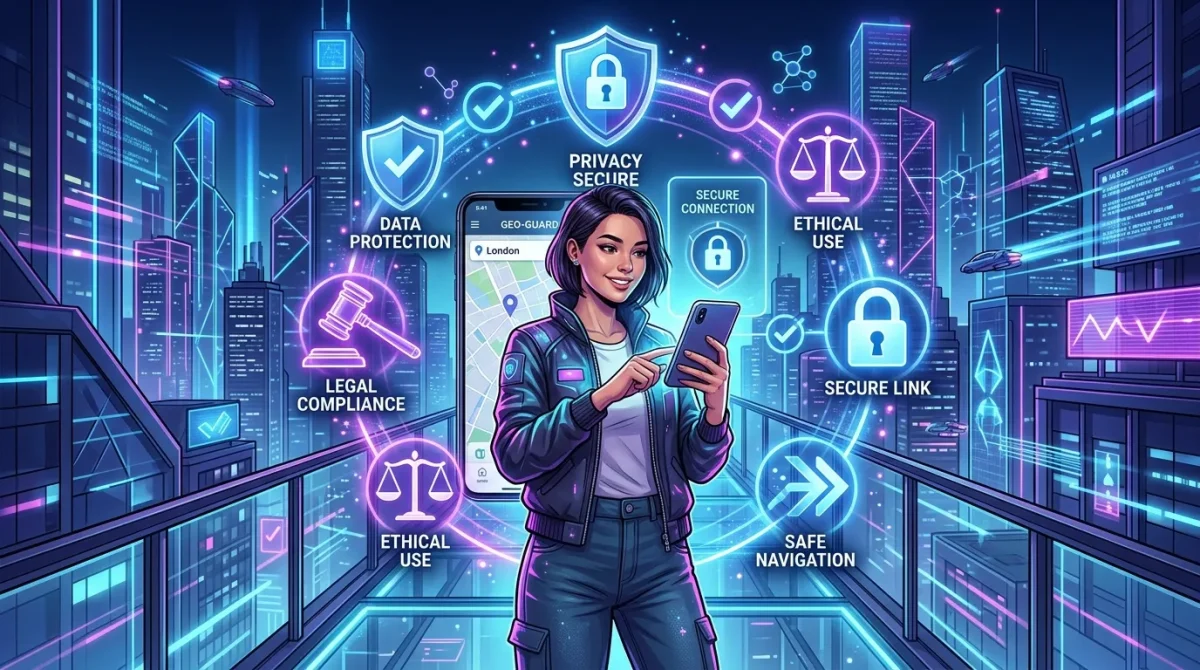
Using a location changer responsibly is legal in most countries, but there are nuances. The tool is designed for privacy protection, app testing, gaming, and accessing restricted content—not for illegal activities.
Here’s how to stay on the right side of the law:
- Follow App Policies: Many apps have terms of service that prohibit location manipulation. Using a location changer to test or explore features without malicious intent is typically safe, but deliberate rule-breaking can lead to account suspension.
- Respect Intellectual Property: If you’re using a location changer for streaming or accessing geo-restricted content, ensure you’re not violating copyright laws.
- Stay Within Legal Boundaries: Using a location changer to commit fraud or deceive services is illegal. Always apply it ethically to protect privacy or enhance your user experience.
- Combine with Other Privacy Tools: Pairing a location changer with a VPN, encrypted connections, or secure browsers ensures maximum legal safety and online protection.
When used responsibly, a location changer is a legitimate and highly effective tool for enhancing privacy and access.
Advanced Uses for Professionals
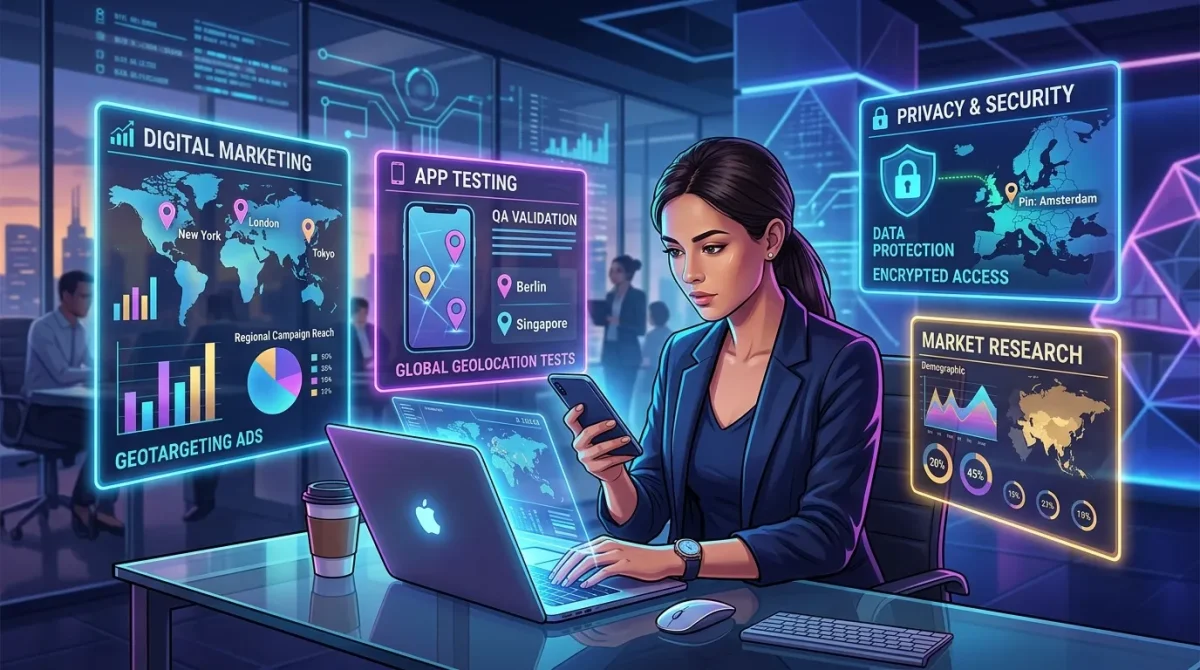
While many people use a location changer for personal privacy, its applications in professional contexts are extensive.
- Digital Marketing: Marketers can test ads in multiple regions to analyze engagement, track competitor campaigns, and study trends without traveling. A location changer allows teams to access country-specific results for better decision-making.
- App Development: Developers can simulate global users to ensure features, updates, and UI elements function properly across locations. A location changer reduces testing costs and helps identify location-specific bugs.
- Security Auditing: Privacy consultants and cybersecurity experts use location changers to demonstrate vulnerabilities or secure systems, simulating real-world scenarios safely.
- Remote Workforce Operations: Professionals can access region-specific software and collaboration tools without being physically present. A location changer facilitates workflow efficiency for multinational teams.
These advanced applications demonstrate that a location changer is not just for casual use—it’s a valuable professional asset.
Future of Location Changers
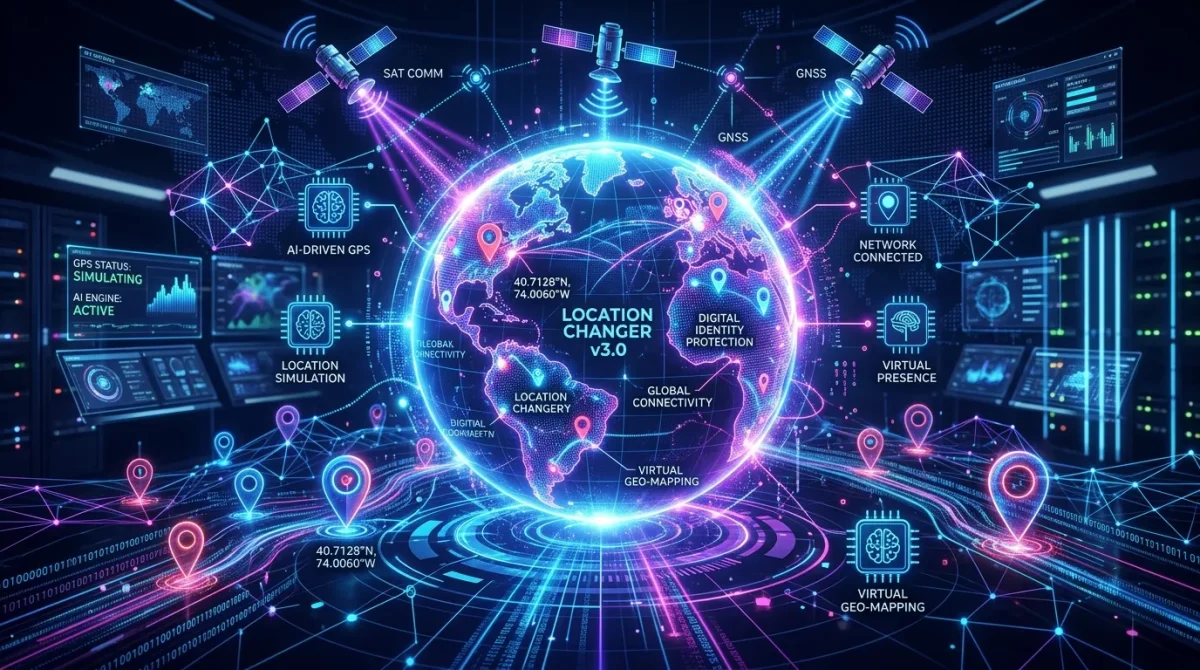
The evolution of location changers is accelerating, and 2026 is set to be a transformative year. Emerging trends include:
- AI-Powered GPS Simulation: Artificial intelligence will make simulated locations indistinguishable from real movement, enhancing gaming, testing, and security applications.
- Cloud Integration: Cloud-based location changers allow seamless operation across multiple devices. Users can switch locations from a smartphone, tablet, or desktop without reconfiguring the system.
- Enhanced Privacy Layers: Next-generation tools will integrate automatically with VPNs and encrypted services, ensuring multi-level security while using a location changer.
- Expanded Use Cases: Expect broader adoption for professional testing, remote work, AR/VR experiences, and global market analysis.
The future of a location changer is not just about privacy—it’s about empowering users to navigate the digital world without limitations.
Why You Need a Location Changer Today
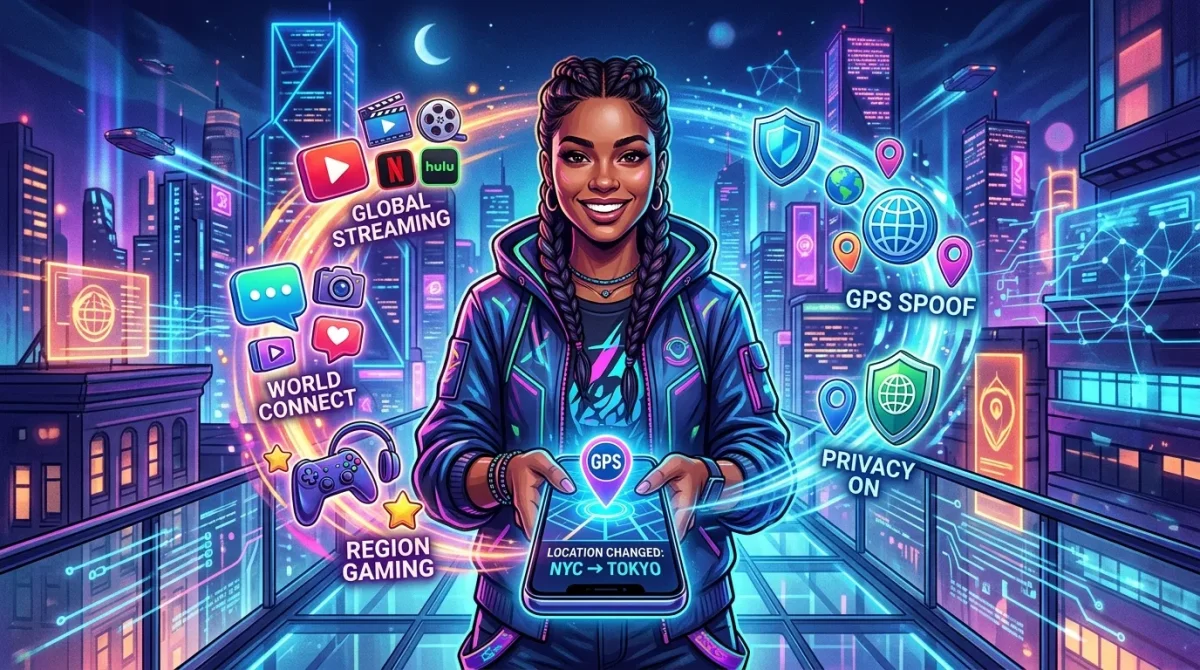
In today’s digital age, privacy, freedom, and control are not optional—they are essential. A location changer allows you to:
- Protect Personal Data: Prevent apps, advertisers, and hackers from tracking your real-world location.
- Access Global Content: Watch shows, play games, or use apps that are region-restricted.
- Enhance Gaming: Participate in global events and unlock rewards without traveling.
- Test Apps Professionally: Simulate user behavior in different regions to improve products or campaigns.
- Travel Smarter: Use local services virtually while abroad, without compromising security.
The location changer empowers individuals and professionals alike, making it an indispensable tool in 2026.
Final Thoughts: Embracing Digital Freedom with a Location Changer
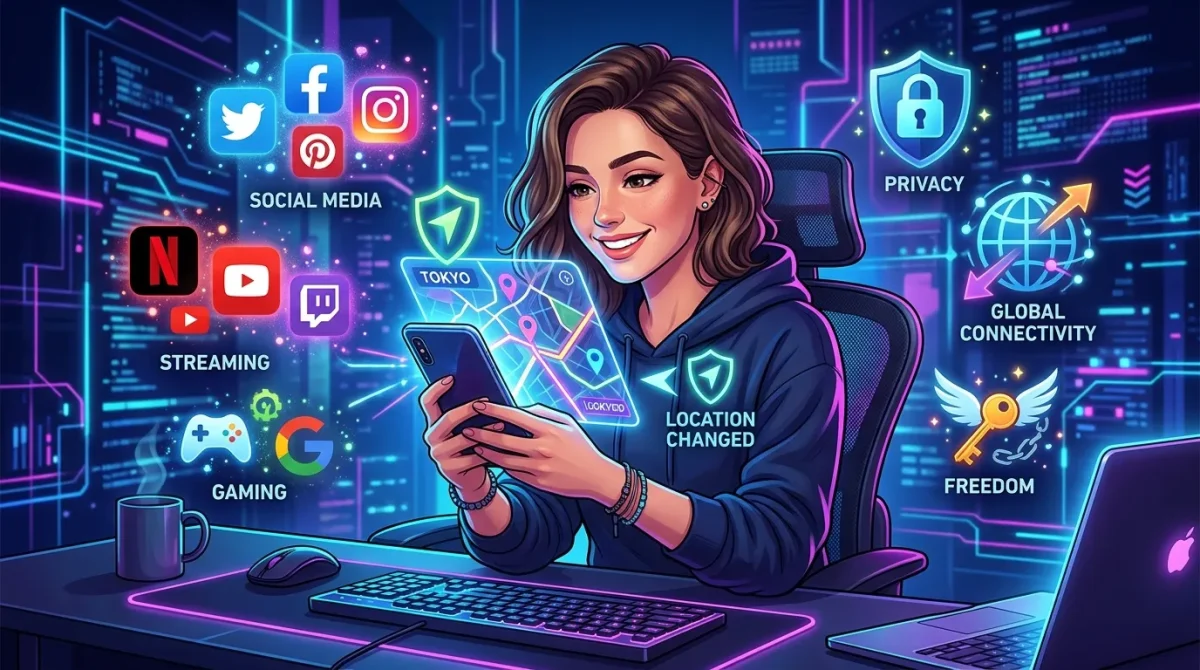
Using a location changer like iGPS Spoofer transformed the way I interact with digital services. It gave me control over my privacy, expanded my access to content worldwide, and unlocked new opportunities in gaming and professional work.
It’s important to remember that a location changer is a tool—its power comes from responsible use. By selecting a trusted software, combining it with other privacy measures, and applying it ethically, anyone can benefit from the freedom it provides.
Whether you’re a casual user, gamer, professional, or privacy-conscious individual, a location changer is no longer a luxury—it’s a necessity. Take control of your digital presence today, protect your privacy, and explore the online world on your terms.
With a location changer, digital freedom is within your hands—literally.