News
Location Changer for iPhone: How Players Build Virtual Routes for Pokémon Go in 2026

Virtual route-building has become a major trend in Pokémon Go for 2026. Players want more control over how they explore, and a location changer for iPhone makes that possible. It turns movement into something planned instead of random.
A location changer lets players scan cities from above and understand how each area flows. Some prefer long loops through active regions, while others enjoy shorter paths around clusters of landmarks. This creates a more personal style of exploration.
What makes the trend exciting is how creative players have become. Designing a route now feels like crafting a small adventure that fits individual play habits. It adds structure without making exploration feel limiting.
This blog explores how Pokémon Go players use iGPS Spoofer location changer in 2026 to create smarter virtual routes, discover new regions, and bring more variety to their gameplay.
The Rise of Virtual Route-Building in Pokémon Go (2026 Trend Overview)

Virtual route-building has grown rapidly in 2026 as players look for more meaningful ways to explore new areas. Instead of jumping from place to place, many now prefer structured paths that feel smooth and intentional.
This shift happened because players want exploration that matches their personal rhythm. A steady, well-designed route creates a more enjoyable experience than random movement across the map.
Location changer tools also made route-building easier. With clear map views and flexible movement options, players can design paths that align with their style, whether they enjoy slow exploration or quick city scanning.
The result is a new trend: exploring cities through carefully planned virtual routes rather than spontaneous teleports. It keeps the game fresh and adds a layer of creativity that many players now love.
Why Players Started Creating Smarter Virtual Routes using Location Changers

Location changers didn’t become popular overnight. Players gradually realized that exploring the same way every day made the experience predictable. As regions became more diverse, the idea of crafting a personalized virtual path felt more appealing, almost like designing a tour through a city they’d never visited in person.
Another factor driving the shift is simple: players want exploration that feels smoother and less chaotic. A structured path brings clarity, especially when browsing busy areas or dense city layouts.
The shift from spontaneous movement to strategic exploration
In earlier years, players jumped randomly across the map, hoping to land somewhere interesting. That approach still works for quick browsing, but it rarely creates a sense of flow.
By 2026, many players noticed that thoughtful movement patterns made exploration feel more immersive. The change wasn’t about rules, it was about comfort, pacing, and discovering cities the way locals might experience them.
Here’s what influenced the shift:
- spontaneous movement = unpredictable results
- structured movement = smoother exploration
- better pacing = more enjoyable sessions
And once players experienced the difference, the random style quickly faded out.
Effect of Location Changers on daily gameplay
Location changer dont just change movement, it transforms routine play completely. Suddenly, exploring becomes a sequence rather than a scattered experience. Some players create long city loops; others craft compact paths inside landmark-rich areas. Every route adds its own rhythm.
Short example:
One day might feel like a “slow scenic walk” through a waterfront city.
Another might feel like a “busy downtown run” with tighter turns and quicker pacing.
These shifts break monotony and give each session a distinct mood. It’s less about covering distance and more about shaping a pattern that feels enjoyable.
What Makes a High-Quality Virtual Route in 2026
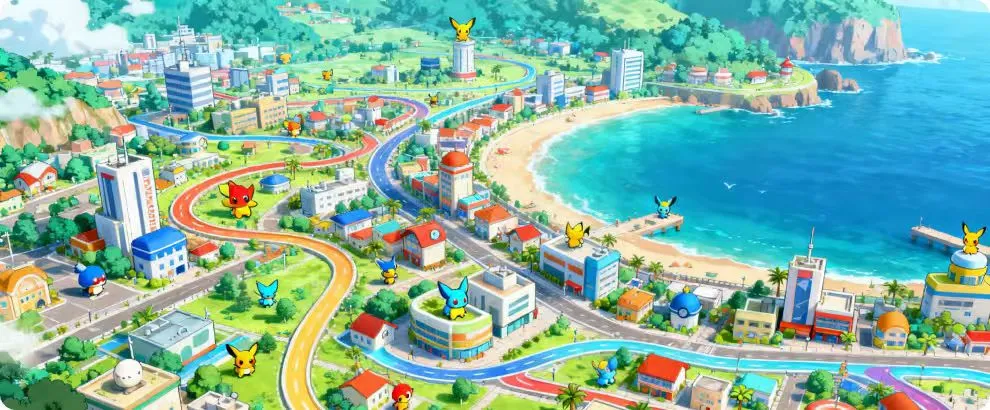
A great virtual route in 2026 doesn’t depend on how far it goes, it depends on how naturally it flows. Players focus on paths that feel smooth, balanced, and enjoyable to follow, almost like taking a guided walk through a city they’ve never visited.
High-quality routes don’t happen by accident. They combine smart planning with an understanding of what makes a region worth exploring.
A high-quality route usually has three core traits:
1. Clean, readable map flow
Cities with clear grids or gentle curves make exploration feel effortless. Players can follow the path without guessing where the next turn might be.
2. Natural pacing
Good routes move steadily without abrupt stops. A smooth rhythm helps players enjoy the scenery without feeling rushed.
3. Meaningful points of interest
Landmarks, busy streets, waterfront paths, and clustered city centers all bring routes to life. Players enjoy paths that offer variety rather than long stretches of empty space.
Different players look for different qualities in a route.
Some want a slow, scenic layout.
Others prefer tight loops packed with activity.
But the best routes share one thing in common:
They feel like they were intentionally designed, not randomly stitched together.
How Location Changers Help Players Visualize Cities Before Exploring
Insert image here
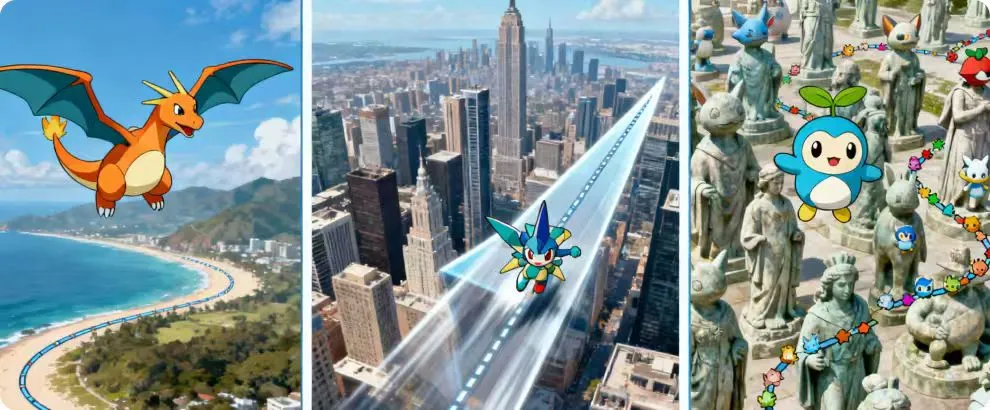
A location changer does more than move a pin on a map, it gives players a bird’s-eye view of cities they’ve never seen. Checking Apple’s Location Services guide helps users understand how their device interprets map data before designing a route
That high-level perspective helps them understand how a region breathes before they design any virtual route. Some cities feel dense and energetic; others look spacious and calm. Seeing this from above makes route-building far more intentional.
Map previews and city scanning
Map previews allow players to browse cities the same way they might scroll through travel photos. They can zoom into busy streets, scan waterfront paths, or spot landmarks that shape natural movement. This early look helps players choose a starting point that feels visually appealing.
Scanning also reveals useful details:
- how tight or open the roads are
- whether the city feels grid-like or curved
- where clusters of interest naturally appear
These details guide the direction of the route before it’s even created.
Identifying exploration zones early
Every city has areas that instantly catch attention, some lively, some quiet, some unexpectedly perfect for loop-style movement. With a location changer, players don’t need trial and error; they can spot these zones right away.
This includes:
- high-activity neighborhoods
- iconic tourist regions
- scenic paths that create smooth movement
Identifying these early prevents wasted exploration time and leads to better route choices.
Understanding route flow from above
Seeing a city from above helps players visualize how their movement will feel. They can picture long sweeps through open areas or shorter zig-zag paths inside busy districts. This aerial understanding creates smoother, more natural routes.
Players often choose paths that look good from the top down because they translate into cleaner, more enjoyable exploration once movement begins.
How city layouts influence route styles
City layouts shape the entire character of a route. A compact European-style town encourages tight loops and short turns. A coastal city invites longer, scenic paths. A downtown grid creates clear, predictable movement.
The layout itself often decides:
- the pace
- the complexity
- the overall mood of the route
This is why players spend time studying the map before they begin. The city’s structure sets the tone for the entire experience.
The Different Route Styles Pokémon Go Players Use Worldwide

Players in 2026 explore cities using route styles that match the personality of each region. Some prefer wide, scenic paths. Others enjoy tight, energetic routes through busy urban streets. Each style creates a different mood and pace.
The “Long Loop” route used in coastal cities
Long Loop routes stretch across waterfronts, beaches, and open coastal paths. These routes feel calm, steady, and spacious, making them ideal for relaxed exploration.
They’re popular because they offer:
- predictable movement
- smooth, curving lines
- scenic surroundings
Coastal cities naturally support this looping style, which keeps movement flowing without sharp turns.
The “Triangle Path” found in downtown areas
Downtown regions often have roads that intersect in sharp angles. This creates natural “triangle” shapes that players use for fast, structured movement.
Triangle Paths feel energetic and quick because players move between three main points. The pattern repeats smoothly, which makes the route easy to follow without feeling repetitive.
This style works well in:
- business districts
- city centers
- grid-heavy metro areas
Landmark-to-Landmark micro routes
Some players build tiny, focused routes that connect iconic landmarks within a tight area. These micro routes work especially well in cities with high-density attractions.
This style offers:
- short travel loops
- constant visual variety
- easy navigation
It’s a favorite for players who enjoy exploring cultural spots or historic city zones without covering long distances.
Why iPhone Users Prefer Location Changers for Route Design
iPhone users enjoy route design because it feels smooth and uncomplicated. A location changer gives them a clear view of any city, letting them plan paths without guessing where roads or landmarks lead. This clarity makes exploring new regions far easier.
Another reason is stability. Modern Location changer tools offer steady movement and clean map transitions, which help users create routes that feel natural. No sudden shifts. No confusing jumps. Just simple, predictable flow.
The interface also plays a big role. iPhone users often prefer tools that look clean and intuitive. A minimal layout helps them focus on designing the route rather than figuring out controls or adjusting settings repeatedly.
For many players, the appeal comes down to convenience. They can browse cities, test ideas, adjust pacing, and switch regions in seconds. This flexibility keeps the experience enjoyable and encourages more experimentation.
How Beginners Build Their First Virtual Route (Without Overthinking It)

New players often realize that creating a virtual route is easier than it seems. Instead of planning long or complex paths, beginners usually focus on simple patterns that help them understand how virtual movement feels. The goal is to get comfortable, not perfect the route immediately.
Starting with simple one–street paths
A single straight street is usually the easiest place to begin. It keeps movement clear and removes the need to think about turns or route transitions. This kind of path also makes it easier to observe how smoothly the movement flows.
Beginners often stay on that one street until they understand the pacing. Once it feels natural, they expand the path slowly, adding small curves or nearby blocks at their own pace.
Choosing stable, clean layouts
Some areas are naturally easier to navigate than others. Wide avenues, open plazas, and grid-style neighborhoods give beginners a predictable environment where movement feels steady. These places help new players avoid sudden direction changes or confusing map shapes.
Clean layouts also build confidence. When the route looks simple from above, it becomes easier to adjust the movement or explore nearby streets without feeling lost.
Advanced Route-Building Techniques Used by Experienced Players

Players who have spent time exploring virtual cities develop their own style of route-building. Their methods look simple on the surface, but each choice reflects observation, experimentation, and a good feel for how cities behave. These techniques shape routes that feel fluid instead of mechanical.
Pacing routes based on city rhythm
Some cities move fast; others feel slow even from a top-down view. Experienced players sense this immediately.
They don’t force a single pacing style everywhere, they match the route to the city’s energy.
A narrow European street encourages a slower glide.
A wide coastal avenue invites a smoother, longer sweep.
This pairing of “city personality + movement pace” creates routes that feel alive.
Region-switching for variety
Instead of staying loyal to one place, advanced players hop between regions as if flipping through chapters of a book.
A quiet coastal town might start the session, followed by a sharp detour to a busy metropolitan grid.
The contrast does all the work.
It resets the brain.
It refreshes the mood.
This switching isn’t random, it’s paced, intentional, and timed to avoid repetition.
Using movement patterns to keep sessions dynamic
Not every route needs to be a loop.
Not every movement must stay straight.
Experienced players mix patterns like a designer mixing shapes:
- long sweeps
- tight zigs
- soft curves
- occasional anchors where they pause and redirect
This creates a rhythm that changes as the city changes. No two sessions feel alike.
Lightweight exploration loops for daily use
On slower days, players use short loops that require almost no planning. These loops feel like “comfort routes”, small, familiar circuits that fit into a busy schedule.
They’re easy to repeat, easy to adjust, and quick to abandon when curiosity strikes.
Think of them as warm-ups before exploring larger, more complex city paths.
Common Mistakes Players Make When Creating Virtual Routes
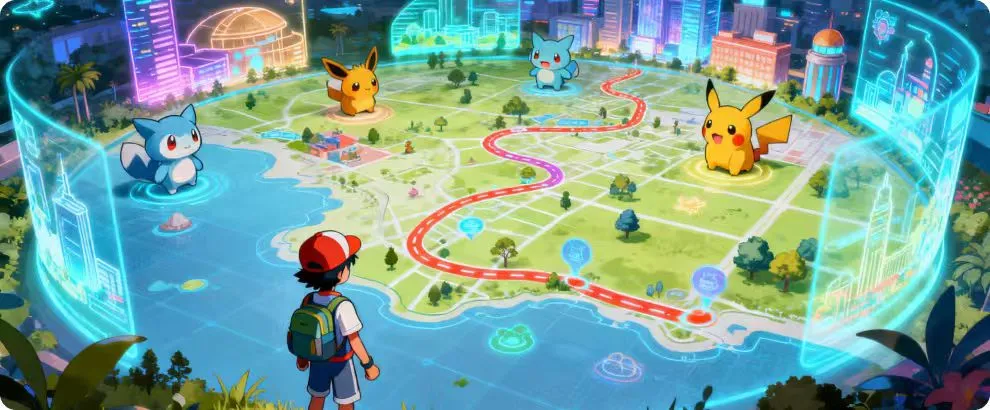
Even with all the tools available in 2026, players still fall into a few predictable traps when designing virtual routes. These mistakes aren’t harmful, they just make the route feel stiff, messy, or less enjoyable than it could be.
One of the biggest issues is overbuilding a route. New players try to include every street, every turn, every landmark. The result? A route that looks impressive but feels exhausting once movement starts.
Another common mistake is switching regions too frequently. Jumping from city to city without letting a route develop breaks the flow. Routes need time to breathe before players abandon them.
Some players also create paths that fight the city’s natural shape. Forcing sharp turns in a curvy layout or creating long stretches in a crowded grid makes the route feel unnatural. Cities have personalities, ignoring that leads to awkward movement.
And then there’s pacing. Fast sections glued next to slow, cramped ones can disrupt the feel of the path. When the pacing doesn’t match the environment, the entire route loses its charm.
The solution isn’t to build perfect routes.
It’s to build routes that feel comfortable, ones that match the city, the moment, and the player’s mood.
How Virtual Route-Building Improves Long-Term Pokémon Go Enjoyment
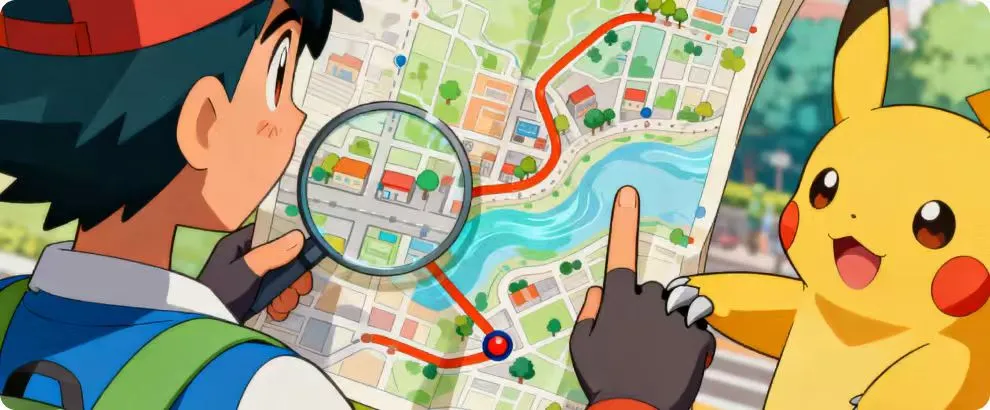
Virtual route-building adds something that many players didn’t realize they were missing: long-term freshness. Instead of walking through the same familiar paths, players can step into new cities, experiment with new layouts, and shift the flow of each session at any moment. This freedom keeps the game engaging even after years of play.
It also creates a sense of discovery. Exploring a city from above and turning that view into a route feels like solving a small puzzle. Every session promises a different pattern, a different rhythm, a different mood.
More variety without daily monotony
The biggest benefit is the escape from repetition. When players design their own routes, the game evolves with their creativity. One route might feel calm and scenic; the next might feel tight and energetic.
This variety reshapes daily gameplay.
Instead of repeating the same motion every day, players rotate through new paths and new regions. Even small tweaks—a wider loop, a fresh neighborhood, a shift in pacing—make the experience feel new again.
Virtual routes don’t just extend enjoyment.
They reinvent it.
Try Building Your First Virtual Route With iGPS Spoofer
Building a virtual route doesn’t require experience or planning. iGPS Spoofer gives players a clean, open map and the freedom to test ideas instantly. Whether the goal is a long scenic loop or a quick city sweep, the tool makes exploration feel simple from the very first try.
It’s less about designing a “perfect” route and more about discovering what feels right.
Open the map and explore cities instantly
The moment the map loads, players can jump into any city they want to explore. Busy downtowns, calm waterfronts, museum districts—everything is visible at a glance.
This immediate access helps new route-builders understand how different regions look and flow.
Exploration becomes a natural process: zoom in, pick a starting point, move across a few streets, and watch how the layout shapes the route.
Experiment with route flow and pacing
Route-building thrives on experimentation. A gentle curve might feel smoother than expected. A tight district might turn into an exciting loop. Adjusting the pace or shifting direction can completely change the personality of a route.
Players don’t need complex strategies.
They just test small variations until the path feels balanced, comfortable, and enjoyable to follow.