News
Pokémon Go Hack Trends 2025: Why Location Changing Became the Most Popular Strategy

“Pokémon Go hack” might sound like an old search term from 2016, but in 2025 it took on a completely different meaning. Players aren’t chasing shortcuts anymore—they’re chasing movement, freedom, and access to the regions they could never reach in real life.
Instead of risky tricks or outdated methods, today’s players look for smarter tools that let them explore the world inside Pokémon Go without breaking the natural flow of the game. And the one strategy that dominated the entire year? Location changing.
From discovering new cities to navigating hotspots across the globe, players shifted toward exploration-based gameplay—and that shift reshaped the entire “hack culture” of Pokémon Go in 2025.
The Evolution of Pokémon Go “Hack Culture” Over the Years
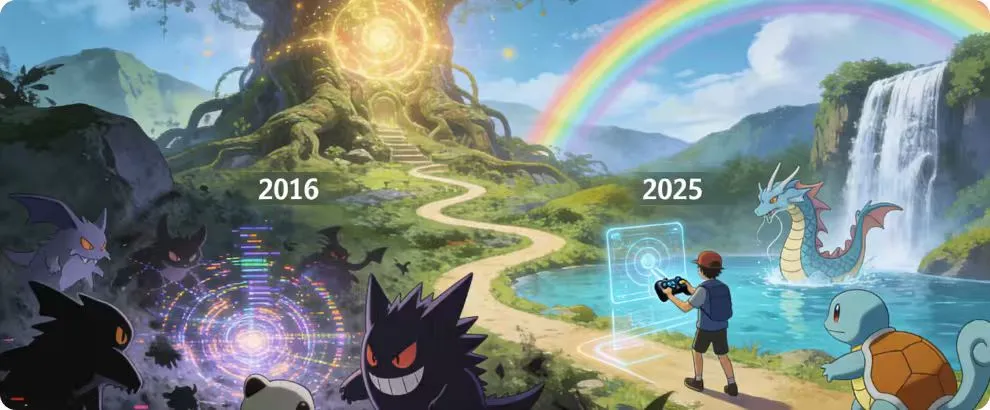
When Pokémon Go launched in 2016, players experimented with everything they could find. Most “Pokémon Go hacks” back then were simple tricks—Teleport here, jump there, try a random app, hope it works. It was chaotic, unpredictable, and often risky, but the community didn’t mind. Everyone was learning the game at the same time.
Then the game matured. Niantic updated detection systems, tightened GPS rules, and discouraged sudden movement. The old shortcuts slowly faded. Players realized they needed more than instant teleports—they needed safer, smarter ways to explore Pokémon Go locations without breaking gameplay rhythm.
By 2020, Pokémon Go joystick tools and coordinate-based jumping became the next stage. They worked better than early hacks, but still depended on unstable apps that couldn’t keep up with updates. Users spent more time fixing issues than actually playing.
Fast forward to 2025, and the culture has shifted again. Players now value realism, smoother routes, and tools that behave more like extensions of the game instead of hidden exploits. This evolution created a new trend inside the community: location changing as a strategic, exploration-driven choice, not just a quick hack.
The transformation didn’t happen overnight.
But it changed how millions of players experience the Pokémon Go today.
Why Location Changing Outpaced Every Other Pokémon Go Hack in 2025

In 2025, players weren’t looking for quick exploits—they were looking for a way to explore the Pokémon Go locations without restrictions. Location changing became the leading strategy because it offered something older hacks never did: freedom without chaos.
Safer movement patterns
Players discovered that smoother, slower, and more natural GPS movement triggered fewer in-game issues than sudden teleports. Instead of risky jumps between continents, they preferred steady walking paths that looked real from the game’s perspective. This shift completely changed how spoofing was used.
Better compatibility with modern iPhones
iOS updates pushed many outdated spoofing apps into irrelevance. Players needed tools that worked consistently with new devices and new system rules. Location changers built for 2025 standards integrated better with updated iPhones, making them more reliable than older joystick-only or teleport-style hacks.
Players wanting more freedom, not shortcuts
The community grew beyond quick tricks. They wanted to explore Tokyo one day and New York the next—not skip gameplay, but expand it. Location changing lets players experience global hotspots, join faraway events, and follow active regions without relying on random one-off exploits.
Location changing didn’t win because it was a “hack.”
It won because it matched how players actually wanted to experience Pokémon Go in 2025.
What Modern Players Look for in a Location Changer

Players in 2025 don’t want rough GPS jumps or unstable tools. They want location changers that feel natural, predictable, and smooth—something that fits into the flow of Pokémon Go rather than interrupting it.
A good tool doesn’t just move a dot on a map. It creates a believable path that matches real-world movement. That’s why players now judge tools based on how well they blend into the Pokémon Go’s rhythm instead of how fast they can teleport.
Modern players also expect clarity. They want clean interfaces, readable maps, and controls that react instantly without confusion. A location changer should make exploration feel easier—not more complicated.
Players prioritize tools that offer:
- realistic movement without sudden, artificial jumps
- stable city switching for exploring global hotspots
- clear route visibility so they always know where they’re going
- consistent performance on newer iPhones
In 2025, the best location changers aren’t the flashiest or the fastest.
They’re the ones that make virtual exploration feel like real exploration.
How the 2025 Community Shifted Toward Exploration-Based Gameplay

By 2025, players were no longer excited by staying in one spot and waiting for spawns. The community started valuing movement, variety, and the thrill of discovering new locations. Exploring different regions became a core part of how players enjoyed Pokémon Go.
This shift wasn’t driven by hacks—it was driven by curiosity. Global hotspots, busy cities, and scenic routes offered a sense of adventure that static farming simply couldn’t match. Players began treating the game like an international tour instead of a stationary grind.
Walking through new streets, scanning unfamiliar maps, and following dynamic routes brought fresh energy to the game. Exploration didn’t just increase spawn potential—it made every session feel different.
Why exploration feels more rewarding than static farming
Static farming gives predictable results, but it gets old fast. Exploration offers surprises, rare encounters, and a constant sense of movement. Players feel more connected to the game when they “travel,” even if it’s virtual.
That emotional lift is what made exploration the dominant style of 2025.
The Rise of Global Hotspot Hunting
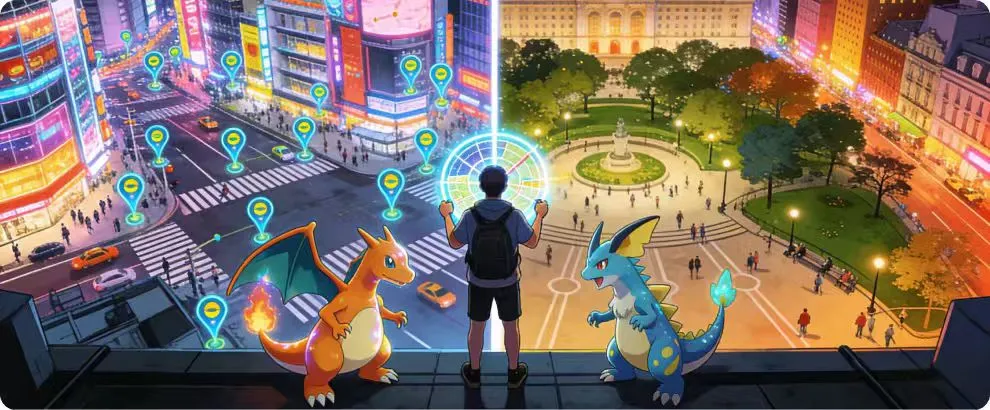
As Pokémon Go evolved, players realized certain cities delivered better spawns, faster cycles, and more lively gameplay. This sparked a new trend in 2025: hotspot hunting. Instead of staying local, players began jumping into major global regions known for their active maps and nonstop encounters.
Hotspot hunting wasn’t just about catching more Pokémon—it was about joining the energy of places buzzing with players. These regions offered better pacing, richer event participation, and a stronger sense of global community.
The trend spread fast. Once players experienced how different cities shaped gameplay, they stopped relying on random coordinates. They wanted to explore cities that felt alive, even if they were thousands of miles away.
Regions that became trendsetters in 2025
Some locations consistently stood out. Tokyo brought constant activity and tight walking loops. New York offered fast-paced routes with endless movement. Sydney and Singapore became favorites for players who enjoyed clean, scenic paths.
These cities didn’t just offer better spawns—they inspired how players built their own movement styles throughout the year.
How iGPS Spoofer Fits Into the 2025 Trend Without Feeling Like a “Hack”

In 2025, players didn’t want tools that broke the game—they wanted tools that enhanced how they explored it. That’s why iGPS Spoofer blended seamlessly into this year’s location-changing trend. It wasn’t about shortcuts or loopholes. It was about giving players a smoother, more natural way to move through the Pokémon Go world.
Instead of forcing sudden jumps or unpredictable movement, the tool focused on realism. Players used it to explore new cities, walk longer routes, and join distant events without disrupting the rhythm of gameplay. It offered freedom without chaos, which became the defining preference of 2025.
Smarter movement simulation
Players noticed that natural movement patterns reduced in-game issues. iGPS Spoofer created smooth, believable paths that looked like real walking, not artificial jumps. This made exploration feel authentic and kept gameplay stable across busy regions.
Responsive joystick controls
The joystick didn’t just control direction—it responded quickly, making navigation feel intuitive. Players could turn corners, follow loops, or move along waterfronts without lag or jittery behavior. This level of control matched the exploration-based gameplay style that dominated 2025.
Smooth global switching
Switching cities no longer felt risky. iGPS Spoofer handled region changes with consistency, so players could go from Tokyo to New York or from London to Singapore without the messy, unpredictable behavior older tools had. This fluidity made it perfect for global hotspot hunting.
iGPS Spoofer wasn’t treated like a hack this year.
It became a tool for players who wanted exploration, not exploitation.
Real Player Behaviors That Shaped This Trend

The rise of location changing didn’t come from a single event—it grew from how players naturally behaved in 2025. Many began treating Pokémon Go like a global exploration game, not just a catching game. They wanted movement, variety, and regions that felt active every time they logged in.
Players also became more curious about international hotspots. When someone posted a great route in Tokyo or a loop in New York, others wanted to experience it too. This created a domino effect where exploration became a shared trend across communities.
Another behavior was the desire for smoother gameplay sessions. Players moved away from risky teleports and unstable shortcuts. They preferred tools that let them “walk” naturally, follow better paths, and explore without worrying about abrupt movement issues.
Lastly, many players simply wanted their sessions to feel fresh. Rotating between cities, trying new loops, and discovering unseen areas gave the game a new layer of excitement—one that made location changing the most popular strategy of the year.
Predictions: What 2026 Could Look Like for Pokémon Go Exploration

If 2025 was the year of location changing, 2026 may push the trend even further. Players are already leaning toward longer routes and more complex city patterns, and this behavior will likely grow as global hotspots continue to evolve.
We may also see the community shift toward building shared routes—paths designed by players in one region and explored by others worldwide. This kind of collaboration could turn the game into a more team-driven, global experience.
Interactive exploration may also rise. Players might start rotating between regions more often, using movement-based tools to simulate travel and join international events without missing out. It’s a natural extension of how exploration shaped the game this year.
The biggest change will be mindset. Instead of “hacks,” players will adopt location tools as part of their regular gameplay style. That shift marks a new era where exploration becomes the heart of Pokémon Go, not just an optional strategy.
Final Thoughts: Why Location Changing Became the #1 Strategy of 2025

Location changing didn’t rise because players wanted shortcuts—it rose because they wanted freedom. In 2025, exploration became the new definition of fun, and location tools made that possible without breaking the rhythm of gameplay.
Players discovered that moving through different regions brought more excitement than sitting still. Hotspots around the world offered energy, variety, and nonstop activity that local maps couldn’t match. The game felt bigger, richer, and more alive.
Tools built for smooth movement pushed the trend forward. They helped players explore cities naturally, switch regions confidently, and enjoy the game without technical frustration. That shift—toward smoother, more immersive exploration—is what made location changing the year’s most popular strategy.
In the end, players weren’t looking to exploit the game.
They were looking to experience it from every angle the world had to offer.
Download iGPS Spoofer and Join the 2025 Exploration Trend

Location changing became the top exploration strategy of 2025, and players who wanted smoother routes and global freedom gravitated toward tools that kept everything simple. iGPS Spoofer matches that shift perfectly — it helps players explore new regions without complications or outdated methods.
Fast download
Getting started takes only a moment. The download process is quick, straightforward, and designed for players who want to jump into gameplay without waiting through long setup screens. It keeps the experience fast from the very beginning.
Easy setup
The interface is clean and beginner-friendly. Every step is presented clearly, so even first-time users can understand what’s happening without feeling overwhelmed. Nothing is hidden behind confusing menus — everything is built for clarity.
Explore new regions instantly
Once you’re in, you can switch to trending hotspots or global cities instantly. The movement feels smooth, the transitions are consistent, and the overall experience supports the exploration-driven style that dominated 2025.